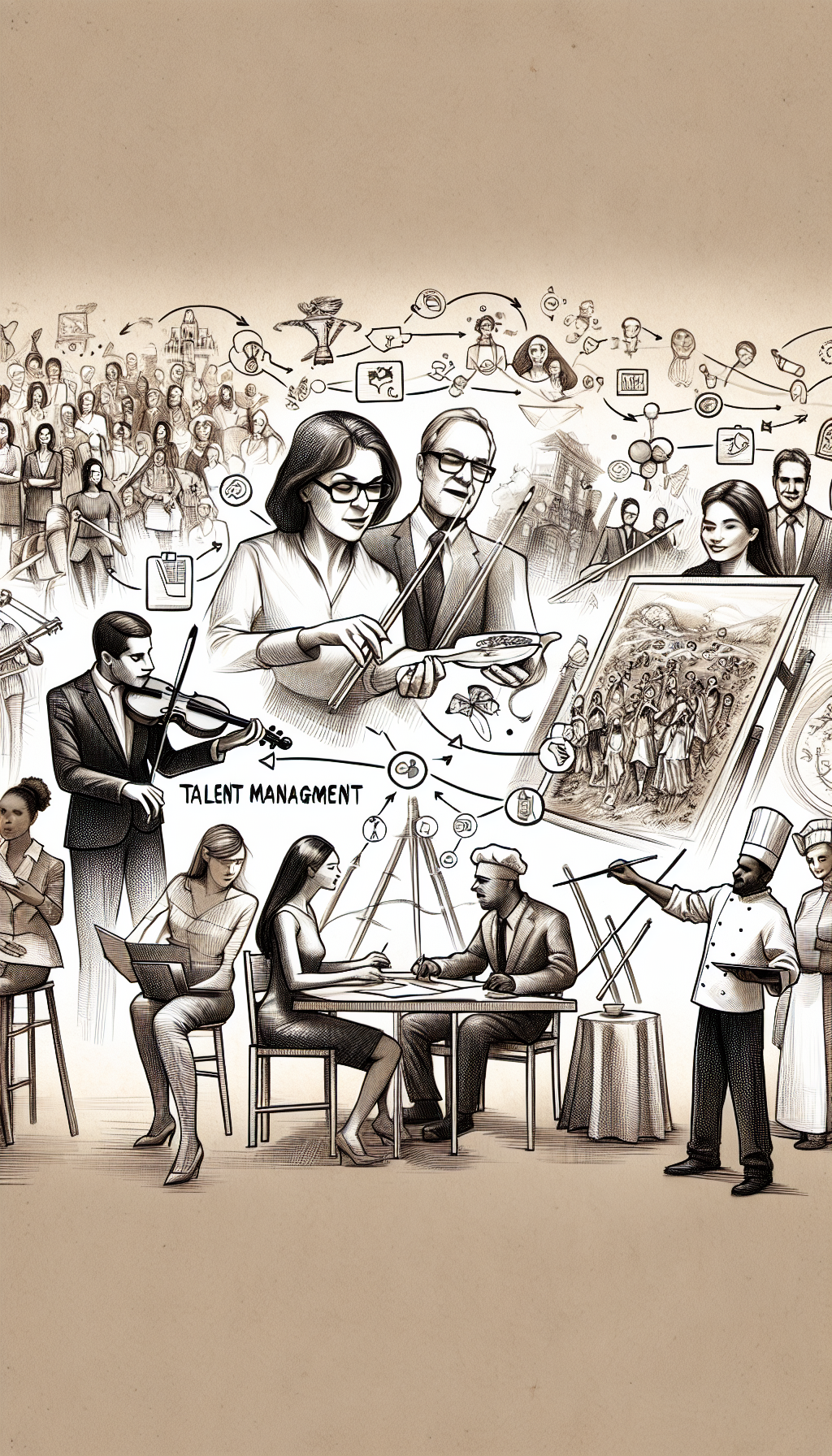
Creative leadership in today’s globalized business environment requires a fundamentally different skill set than traditional management approaches. As teams become increasingly diverse and geographically distributed, leaders must balance creative vision with cultural sensitivity while maintaining project cohesion across different communication styles and work preferences.
The challenge extends beyond language barriers to encompass different approaches to hierarchy, feedback, creative process, and decision-making. What motivates team members in one culture may be counterproductive in another, requiring leaders to develop flexible management styles that adapt to individual and cultural needs.
Understanding Cultural Approaches to Creativity
Different cultures approach creative processes in distinctly different ways. Some emphasize individual brainstorming and independent development, while others prioritize group consensus and collaborative refinement. Effective leaders recognize these preferences and structure creative sessions accordingly.
Time orientation varies significantly across cultures, with some teams preferring detailed advance planning while others work more effectively with flexible, iterative approaches. Understanding these preferences helps leaders set realistic timelines and manage client expectations appropriately.
Stefan Frieb and other creative executives have learned that successful multi-cultural leadership requires observing team dynamics and adapting management styles rather than imposing uniform processes across diverse groups.
Communication Strategies Across Cultural Boundaries
Direct feedback styles that work effectively in some cultures can be perceived as harsh or disrespectful in others. Creative leaders must develop sensitivity to different communication preferences while ensuring essential feedback reaches team members effectively.
Visual communication often transcends language barriers more effectively than verbal instruction, making sketches, mood boards, and visual references particularly valuable for international creative teams. These tools help ensure creative vision remains consistent across cultural and linguistic differences.
Meeting structures may need adjustment based on cultural norms around hierarchy and participation. Some team members may hesitate to contribute ideas in large group settings but excel in smaller discussions or written feedback formats.
Building Trust and Psychological Safety
Creative work requires team members to take risks and share potentially vulnerable ideas. Building psychological safety across cultural boundaries requires extra attention to individual comfort levels and communication preferences.
Trust-building activities that work in one culture may be ineffective or counterproductive in another. Successful leaders invest time understanding what builds confidence and comfort for different team members rather than applying universal approaches.
Personal relationship development often takes priority in many cultures before effective professional collaboration can occur. Leaders must balance relationship-building time with project deadlines and deliverable requirements.
Conflict Resolution and Decision-Making
Creative differences are inevitable in any project, but cultural backgrounds influence how team members express disagreement and prefer to resolve conflicts. Some cultures favor direct confrontation while others prefer indirect approaches or third-party mediation.
Decision-making processes vary significantly across cultures, with some preferring consensus-building while others expect hierarchical determination. Effective leaders establish clear decision-making frameworks that respect cultural preferences while maintaining project momentum.
Authority relationships may be interpreted differently across cultures, requiring leaders to clarify their role and decision-making power while remaining sensitive to cultural expectations about leadership styles.
Remote Collaboration and Time Zone Management
International creative teams often span multiple time zones, requiring careful coordination to ensure all team members can participate meaningfully in collaborative processes. This may require rotating meeting times or developing asynchronous collaboration methods.
Digital collaboration tools must accommodate different technological capabilities and preferences across team locations. What works seamlessly in one market may be blocked or ineffective in another region.
Cultural holidays and religious observances affect project scheduling and team availability in ways that purely domestic teams don’t experience. Effective planning requires awareness of multiple calendar systems and cultural priorities.
Performance Evaluation and Recognition
Recognition and reward systems that motivate team members vary significantly across cultures. Public recognition may be highly valued in some cultures while causing embarrassment in others that prefer private acknowledgment.
Career development expectations differ across cultural backgrounds, requiring leaders to understand individual aspirations while providing appropriate growth opportunities. Some team members prioritize skill development while others focus on leadership advancement or creative recognition.
Feedback frequency and format preferences vary culturally, with some team members expecting regular check-ins while others prefer periodic comprehensive reviews. Adapting to these preferences improves both performance and job satisfaction.
The future of creative leadership lies in cultural intelligence combined with management flexibility. Leaders who master these skills create more productive, satisfied teams while producing better creative outcomes. As Dubai continues attracting international talent and businesses expand globally, these leadership capabilities become essential for competitive advantage in the creative industries.
Leave a Reply